

This article is a rewrite of a 2024 published article in Medium.com.
My daughter has a big laugh. You hear it before you see her. She is funny, the kind of funny that takes the air out of a tense room and hands it back easier. She makes art. I want to put that first, before any of the rest of it, because addiction is very good at making a family forget who it moved in next to. Understanding addiction is not easy for families and loved ones.
That is the thing nobody tells you. Addiction does not replace the person you love. It sets up beside her and starts answering the door.
Addict: You don’t understand what it is like.
Help: I understand that sobriety is a better place.
Addict: But you don’t know me.
Help: I would like to get to know you better, if you let me in.
You learn the sound of the front door after midnight, and what each version of it means. You start managing a person instead of living with her. That cost arrives early, before anyone says the word addiction out loud.
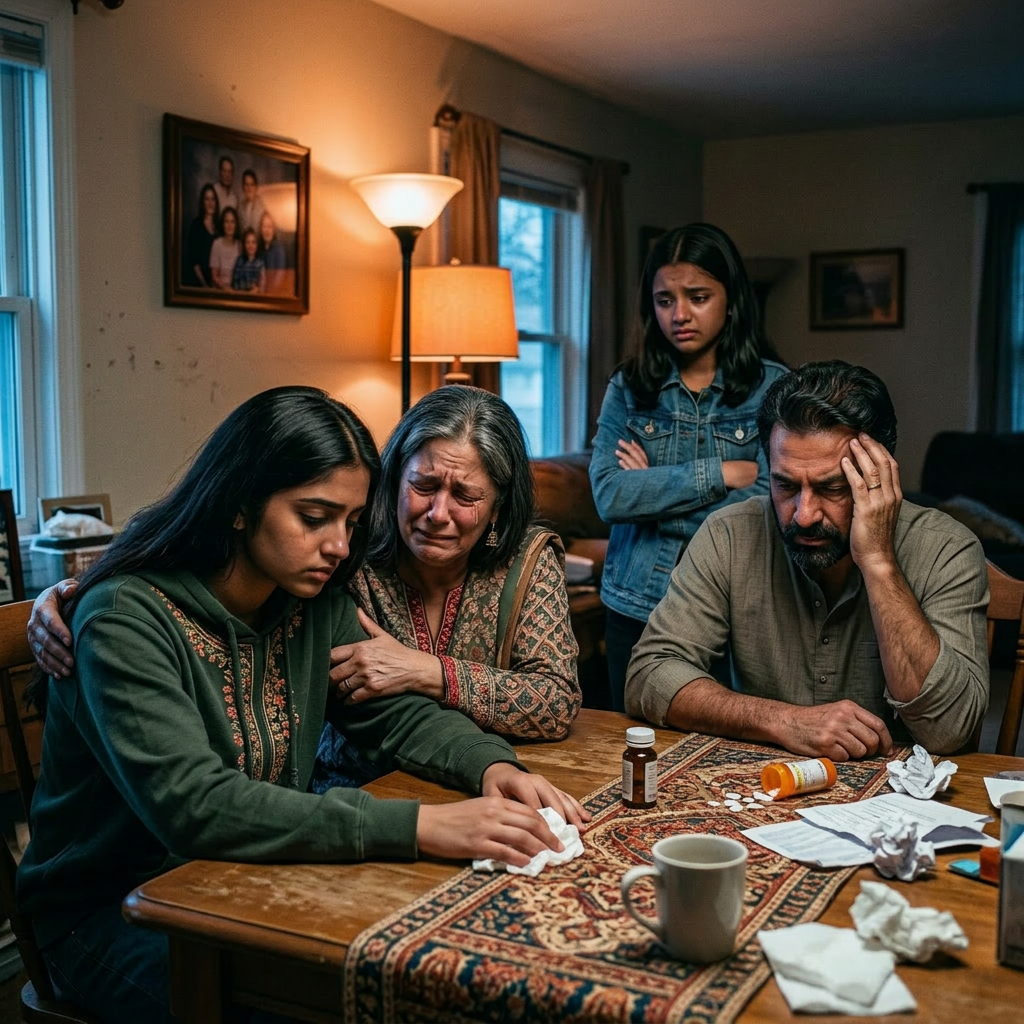
What addiction does to the family
The person using carries their own weight: guilt, denial, the sense of being watched, the self-hatred that comes with letting people down and doing it again. The people around them carry something else. They lose track of their own role. A parent becomes a warden. A partner becomes the accountant for someone else’s chaos. The money goes first to the substance, then to the consequences of the substance, then to treatment, and the household feels every dollar of it. Stress turns into blame. Blame turns into the fight that solves nothing and costs everything.
None of that means the family is broken. It means the family is under load. The first job is to understand what you are actually dealing with.
Reading the signs
Addiction hides. It hides because the person using is ashamed, and because the people around them would rather not be right. The signs are usually plain once you stop looking away: behavior that does not match the person you know, responsibilities dropped, money gone with no account of it, new company that asks no questions and offers no help. The humor that used to open a room starts getting used to dodge a straight question.
Different addictions wear different faces. Alcohol. Drugs. Gambling. The phone that never goes down. Each one needs its own treatment, because what steadies one person does nothing for another. There is no single protocol. There is the work of finding the right one, which usually means counseling, medical supervision when the body is dependent, and structured therapy. Treating it yourself is the most common way to make it worse.
How to talk to someone who is using
Judgment closes the door. The person using is already running a louder version of your criticism in their own head, so leading with it only proves you are one more voice against them. Say the true thing plainly instead. Tell them how their use lands on you and on the house. Tell them you are not going anywhere. Ask them to get help, and mean it.
“Not every storm sent your way drowns or destroys you. Certain storms have the intention to strengthen you.”
Wayne Ince
You do not have to have used to understand. You have to listen without deciding the ending first. Learn how dependence works, what treatment exists, what relapse is and is not. Knowing the mechanism keeps you steady in a conversation built to pull you under.
Boundaries that protect
In a house run by addiction, the lines blur. Someone has to redraw them. A boundary is the edge that keeps you on your feet while the other person decides whether to get on theirs. It is protection, not punishment. Decide what you will no longer do: which bills you will not pay, which lies you will not cover, which 2 a.m. calls you will not answer the old way.
Hold the line without turning it into a cage. People still need room to fail and try again, and a boundary held with contempt teaches nothing. Revisit the lines as things change. The rule you set in month one may not fit month six. Say so out loud, together, so the boundary stays a working agreement instead of a wall.
You do not have to be perfect at this. You have to be honest, with the person using and with yourself.
When they relapse
Relapse is part of the terrain, not proof of failure. The National Institute on Drug Abuse puts the relapse rate for substance use disorders between 40 and 60 percent, the same range as chronic illnesses like hypertension and asthma. Recovery is a long commitment, not a switch that flips once.
Triggers and stress drive most relapses. Naming the triggers and building a response to them lowers the odds. So does the ordinary maintenance most people abandon under pressure: sleep, movement, food, and people who do not judge. Bringing the family into therapy or a support group does double work. It steadies the person in recovery, and it gives the rest of the house somewhere to put what they are carrying.
Getting professional help
Love matters. By itself it does not cure anything. Addiction is a medical condition, and it calls for people trained in it: addiction specialists, psychologists, psychiatrists, social workers. Counseling gives a family a place to understand what they are facing and to learn how to respond instead of react. Groups like Al-Anon put them in a room with others who already know the script.
Recommended reading:
- My Name is Erin, and My Mom’s an Addict
- I Love You, More: Short Stories of Addiction, Recovery, and Loss From the Family’s Perspective
- Should’ve Been Dead: Lessons from a Crack Addict Who Broke Free (I own this one)
Asking for help does one more thing. It chips at the stigma. Every family that says this out loud makes it easier for the next one to.
“In order to break free from the chains of addiction, we must first uncover the roots of our pain and heal as a family.”
Wayne Ince
When help is refused
Sometimes the person says no. Sometimes they hear an offer of help as an attempt at control and shut it down, especially when it comes from the people closest to them. You cannot make the choice for them. You can refuse to disappear, and you can refuse to carry the consequences that belong to them.
The manipulation comes with the territory. An addict will try to make you the villain for telling the truth, will make “you told on me” sound worse than the thing you told. It is not. The behavior caused the consequence. You did not. Covering for them does not protect them; it buys the addiction more time. Keep your own footing, lean on professionals and helplines for strategy, and keep the door open without standing in it.
The work is shared
A family can do a great deal. Understand the illness. Read the signs early. Say the hard things without blame. Hold real boundaries. Expect the setbacks and stay anyway. Bring in help. Keep hope where the person can see it.
What a family cannot do is recover on someone’s behalf. The person using has to take the lead in their own recovery. Addiction does not get to define a family. It is one hard season, and families have come through hard seasons before, together, with love and the stubbornness not to quit on each other.
The laugh is still in there. So is the art, and the person who taught me what funny really means. Addiction has moved in beside her. It has not taken the house. I am writing toward the day that laugh fills the rooms again, and until then I am keeping the door open and staying on my feet. If it is your daughter, or your son, you can do the same.
Recovery is possible. A steady, honest home does not guarantee it. It gives it the best room to happen in.
References and help
National Institute on Drug Abuse, relapse and treatment data: nida.nih.gov
SAMHSA, find help for substance use and mental health: samhsa.gov/find-help/disorders
National Institute on Alcohol Abuse and Alcoholism: niaaa.nih.gov
Join the discussion at BreakingRanks. If addiction has touched your family, your voice belongs in this conversation. Share it, and help the next family feel less alone.
Leave a Reply